How to Achieve High Cost-Effectiveness in Rapid Deployment?
In construction sites, temporary projects, or emergency accommodation scenarios, rapidly deployable and cost-effective accommodation solutions have always been a necessity in the industry. In recent years, containerized housing manufacturers have become the first choice for many construction companies and enterprises due to their modular design and flexible deployment advantages. These types of housing not only can be put into use quickly but also demonstrate significant competitiveness in cost control. This article will delve into the performance characteristics of containerized housing and explore how to achieve optimal cost-effectiveness by selecting a high-quality containerized housing manufacturer.
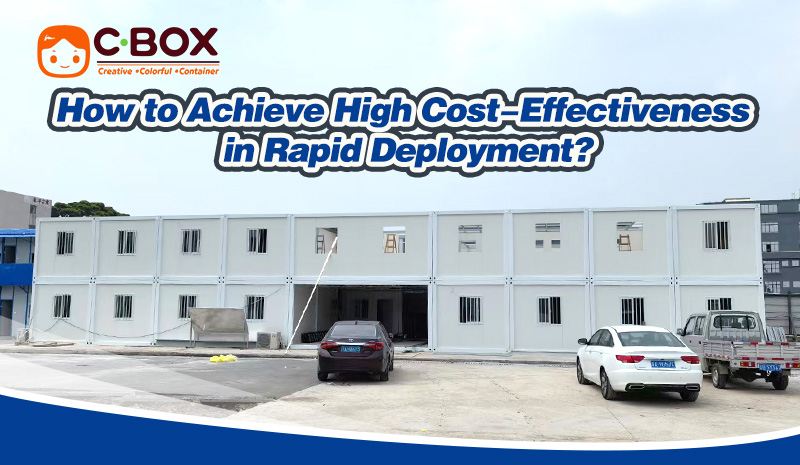
Market Demand: Why Do Construction Sites Favor Containerized Housing for Temporary Dormitories?
With the accelerating pace of construction projects, the problems of long construction cycles and excessive material waste associated with traditional prefabricated houses are becoming increasingly prominent. In contrast, containerized housing uses standardized modules, with an average installation time of only 1-2 hours per container, increasing the overall project deployment speed by more than 60% compared to traditional buildings. According to industry survey data, over 70% of construction projects prioritize containerized solutions for temporary facility construction, especially suitable for short- to medium-term projects with a construction period of 6-24 months.
Core Advantages: How to Achieve Both Rapid Deployment and Cost Savings?
The core competitiveness of container houses lies in their speed and cost-effectiveness. In terms of rapid deployment, prefabrication allows for direct hoisting of the containers upon arrival at the site; a 1000-square-meter dormitory area can typically be assembled within 7 days. Regarding cost, based on a standard accommodation of 20 people, container solutions save approximately 25% on initial investment compared to traditional prefabricated houses, and due to their reusability, long-term amortization costs are lower. It's worth noting that some large-scale container house manufacturers have further reduced the cost per container through mass production.
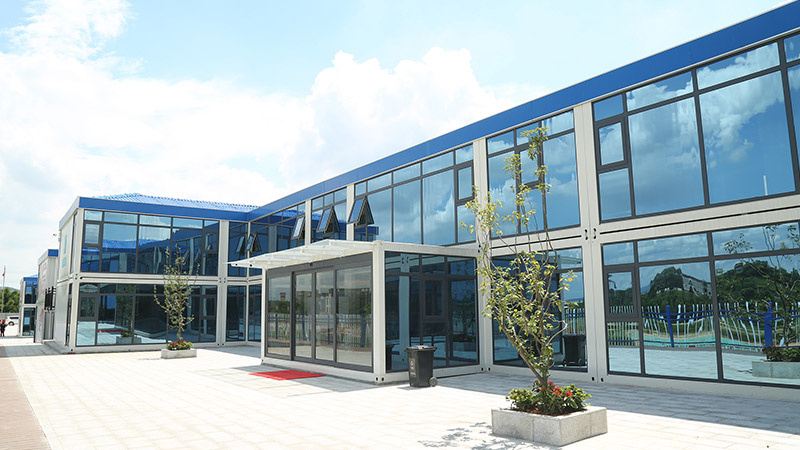
Key to Quality: How to Choose a Reliable Manufacturer?
Choosing a compliant container house manufacturer is a prerequisite for ensuring quality. High-quality manufacturers typically possess modular design capabilities, using galvanized steel sheets and fire-resistant insulation materials for the containers, achieving an earthquake resistance level of up to level 8, and meeting the national B1 fire resistance standard. Users are advised to focus on examining the manufacturer's project portfolio, material certifications, and after-sales service system. Statistics show that manufacturers with over 5 years of industry experience have a product failure rate 30% lower than the industry average and can provide more professional customized solutions.
Cost-Effectiveness Analysis: Long-Term Value Through Data
From a life-cycle cost analysis perspective, container houses demonstrate significant advantages. Taking a typical project as an example: purchasing 20 containers to build an 800-square-meter dormitory area requires an initial investment of approximately 250,000-400,000 yuan, 40% lower than similar light steel structure buildings. During the usage phase, because they can be repeatedly assembled and disassembled 5-8 times, the cost per use is significantly reduced. Furthermore, leading container house manufacturers have incorporated energy-saving designs, with standard insulation layers and photovoltaic roof options, reducing daily energy consumption by up to 35%.
Industry Trends: Green Construction and Intelligent Upgrades
With tightening environmental policies, container houses are developing towards green and intelligent directions. Leading manufacturers have launched low-carbon products using environmentally friendly water-based paint and solar power systems, with some models achieving a material recycling rate of over 90%. In terms of intelligent integration, new containers can be pre-installed with an IoT management system, enabling remote monitoring of electricity and security, further improving management efficiency.
Summary
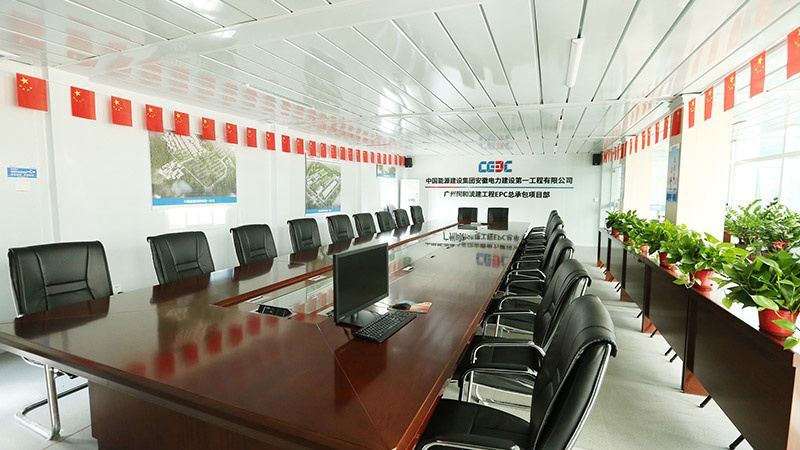
In summary, container houses, with their rapid deployment, controllable costs, and flexible recyclability, have become an ideal choice for temporary dormitories on construction sites. When making a selection, users should consult extensively with professional container house manufacturers, taking into account project timelines, budget constraints, and functional requirements, to ensure the solution matches the actual application scenario. Through scientific selection and reasonable configuration, a safe, comfortable, and efficient temporary accommodation solution can be achieved within a limited budget.





 شبکه ipv6 پشتیبانی می کند
 CALL US : +86 13631414627
 EMAIL : sales906@cbox.ltd


